What to Do Before Your Cleanup Crew Arrives
Nobody expects to face a trauma scene or biohazard situation. When it happens, the shock and grief can make even simple decisions feel overwhelming. At Sterile Pros, we understand that the hours between calling us and our arrival can feel like an eternity. While our teams are strategically positioned across California, Nevada, Arizona, and Texas for rapid response, there are important steps you can take to protect yourself, your family, and your property while you wait.
This guide walks you through what to do before we arrive, organized by the type of cleanup you’re facing. Remember: your safety comes first. Never attempt to clean a biohazard scene yourself. These preparations are about securing the area and protecting people, not about starting the cleanup process.
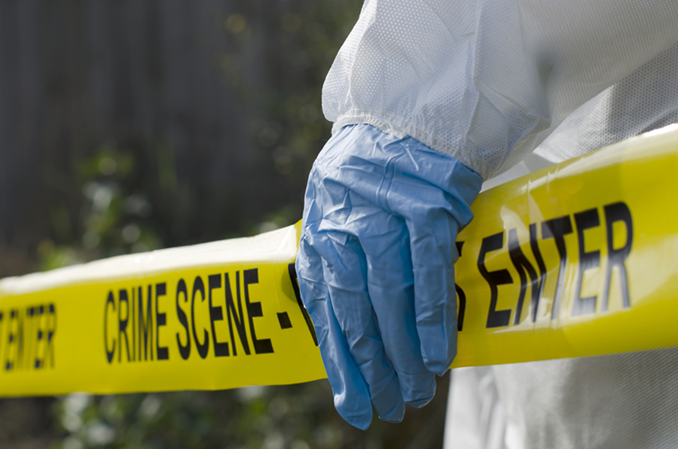
Crime Scene Cleanup
When law enforcement has finished their investigation and released the scene, you’re left with the aftermath. Here’s what to do while you wait for our certified technicians:
Secure the Area
Keep all people and pets away from the affected area. Crime scenes contain bloodborne pathogens and biohazardous materials that pose serious health risks. Lock doors to the room if possible, and consider posting a sign to prevent anyone from entering accidentally.
Do Not Touch Anything
Even after the police have cleared the scene, resist the urge to move items or begin cleaning. Blood and bodily fluids can harbor hepatitis, HIV, and other dangerous pathogens. Our team has the proper protective equipment and training to handle these materials safely.
Document for Insurance
Take photos of the scene from doorways without entering the contaminated area. Most homeowners insurance policies cover crime scene cleanup, and documentation helps with claims processing. Note any damaged structural elements like flooring, walls, or furniture that may need removal.
Ventilate If Possible
If it’s safe to do so without entering the contaminated area, open windows or turn on ventilation systems. This helps reduce odors and prevents them from settling deeper into materials, though complete odor removal requires professional treatment.
Contact Your Insurance Provider
Call your insurance company to start a claim. Let them know you’ve contacted professional biohazard remediation specialists. Sterile Pros works directly with insurance companies throughout the entire cleanup process, making things easier for you during this difficult time.
Gather Personal Belongings
If there are important documents, valuables, or sentimental items in adjacent rooms, move them to a safe location away from the affected area. This prevents cross-contamination and gives our team clear access to work.
Unattended Death Cleanup
Discovering an unattended death is traumatic, and the longer a body remains undiscovered, the more extensive the biohazard contamination becomes. Human decomposition releases fluids that seep into flooring, walls, and furniture, creating severe health hazards.
Evacuate the Property Immediately
Decomposition creates airborne pathogens and toxic gases. Get everyone out of the building, including pets. Do not re-enter until our team has assessed the situation and begun decontamination.
Notify Authorities First
If you haven’t already, contact law enforcement immediately. The coroner must remove the body before cleanup can begin. Keep contact information handy for when our team arrives—we coordinate with local authorities regularly.
Turn Off HVAC Systems
If you can access the thermostat without entering the contaminated area, turn off heating and air conditioning. HVAC systems can spread contaminated air throughout the entire building, dramatically increasing the scope of remediation needed.
Identify the Affected Areas
From a safe distance, note which rooms or areas are impacted. Bodily fluids often seep through floors to lower levels or into walls. This information helps our team arrive with the right equipment and prepare an accurate estimate.
Preserve Any Access Points
Leave doors unlocked or provide keys to affected areas. Time is critical in unattended death situations, and every hour of delay allows biological material to penetrate deeper into structural materials.
Prepare for Possible Structural Removal
Understand that flooring, subflooring, drywall, and other building materials may be contaminated beyond cleaning. Our team removes and properly disposes of these materials according to biohazard regulations. This isn’t damage we cause—it’s necessary remediation.
Suicide Cleanup
Losing someone to suicide brings indescribable pain. The last thing you should have to see is the physical aftermath. Our teams treat every suicide scene with the utmost compassion and discretion while ensuring thorough decontamination.
Protect Loved Ones
Seeing the scene can cause lasting trauma and PTSD. Keep family members, especially children, away from the area. Consider having them stay elsewhere until cleanup is complete and painful reminders have been removed.
Do Not Attempt to Clean
The emotional weight combined with biohazard exposure makes this incredibly dangerous. Firearms, sharp objects, medications, or other means involved in the death may still be present. Our trained professionals handle everything safely.
Contact Support Services
Reach out to grief counselors, support groups, or your religious community. Many areas have crisis response teams specifically for suicide loss survivors. Taking care of your mental health is just as important as the physical cleanup.
Secure Weapons or Medications
If you can safely access other areas of the home, secure any additional weapons, medications, or harmful items that weren’t part of the incident. This protects everyone during this vulnerable time.
Communicate With Our Team
Let us know if there are specific concerns or requests. Some families want certain personal items handled with extra care. Others prefer complete discretion from neighbors. We customize our approach to respect your needs and privacy.
Plan for Aftermath Support
Ask about our odor removal services and final sanitization. We want to restore your space to a place where healing can begin, not one that holds traumatic reminders.
Hoarding Cleanup
Hoarding situations present unique challenges. These aren’t just cluttered homes—they’re environments with severe health hazards including mold, rodent infestations, rotting food, human waste, and sometimes undiscovered deaths.
Assess the Situation Honestly
Extreme hoarding cleanup requires professional intervention. If you’re dealing with floor-to-ceiling clutter, blocked exits, structural damage, or strong odors, don’t try to handle it alone. These conditions create dangerous living environments and potential building code violations.
Get the Right Help
If the person who lives in the home is still there, consider involving mental health professionals who specialize in hoarding disorder. Cleanup without addressing underlying issues often leads to recurrence. We can work alongside therapists and social workers to support long-term solutions.
Create Access Points
Clear a safe path from the entrance to the main hoarding areas if you can do so without risk. This allows our team to enter with equipment and begin assessment. Do not throw away items yet—sorting through belongings is part of our process.
Identify Hazards
Note any visible hazards you’ve seen: standing water, animal waste, structural damage, pest infestations, or strong ammonia or sewage odors. This information helps our team prepare appropriate safety equipment and disposal methods.
Discuss Keepsakes and Valuables
Decide ahead of time how you want our team to handle potentially valuable or sentimental items. We can set aside items for review, or you can have family members present during sorting. Communication prevents misunderstandings.
Prepare for Structural Repairs
Severe hoarding often damages homes beyond simple cleaning. Floors may be rotted, walls may have mold, and plumbing or electrical systems may be compromised. We remove contaminated materials and can coordinate with contractors for rebuilding.
Plan for Proper Disposal
Hoarding cleanup generates significant waste, including biohazardous materials that require special disposal. We handle everything according to local regulations and health department standards.
Biohazard Cleanup
Biohazards include any biological material that poses health risks: blood, bodily fluids, medical waste, sewage, animal waste, or contaminated materials. Whether from accidents, illnesses, or industrial incidents, proper handling is essential.
Identify the Biohazard Type
Different biohazards require different approaches. Let our team know exactly what you’re dealing with: blood from an injury, sewage backup, medical waste, contaminated sharps, or something else. This affects our response protocol.
Isolate the Contaminated Area
Close off the affected space to prevent exposure. If it’s a bathroom or small room, close the door and seal gaps with towels if odors are escaping. For larger areas, use caution tape or barriers to mark the zone clearly.
Protect Against Airborne Pathogens
Turn off fans or HVAC systems that might spread contaminated air. Open windows in adjacent areas if weather permits, but keep windows in the contaminated area closed until our team arrives to assess ventilation needs.
Note Any Porous Materials
Biohazards easily soak into carpets, upholstery, mattresses, drywall, and wood. These materials often cannot be fully decontaminated and require disposal. Identifying affected porous materials helps with cost estimates and planning.
Gather Material Safety Information
If the biohazard involves industrial chemicals, medical waste, or other specialized materials, locate any relevant safety data sheets or documentation. This information helps our team select appropriate decontamination methods.
Coordinate With Health Departments
Some biohazard situations require reporting to local health departments, especially those involving infectious diseases or public health risks. Our team is familiar with these requirements and can guide you through necessary notifications.
Universal Safety Guidelines for All Situations
Regardless of the type of cleanup you’re facing, these safety principles always apply:
Never Enter Contaminated Areas
Biohazards aren’t always visible. Pathogens can be present even when you can’t see blood or bodily fluids. Without proper personal protective equipment (PPE) and training, you’re putting yourself at serious risk.
Keep Children and Pets Away
Kids and animals are naturally curious and don’t understand the dangers. Make absolutely sure they cannot access affected areas. Even brief exposure can lead to serious illness.
Don’t Use Household Cleaners
Standard cleaning products don’t eliminate biohazards and can actually make things worse by spreading contamination or creating toxic fumes when mixed with biological materials. Leave all cleaning to professionals with EPA-registered hospital-grade disinfectants.
Avoid Handling Personal Items
Items in contaminated areas may look clean but could be covered in invisible pathogens. Our team can safely decontaminate or dispose of belongings according to your wishes.
Watch for Secondary Contamination
If you’ve already entered the area, change clothes and shower. Place contaminated clothing in sealed bags for disposal. Check for any tracking of biological materials into other areas.
Protect Your Mental Health
Seeing trauma scenes takes an emotional toll. Give yourself permission to step away. You don’t need to be on-site when our crew works. Many clients prefer to stay elsewhere until the property is fully restored.
Trust the Professionals
We encounter what nobody else can or wants to. Our certified technicians follow OSHA regulations, state licensing requirements, and biohazard disposal laws. We’re not just cleaners—we’re trained biohazard remediation specialists who do this work with compassion and discretion.
What Happens When Sterile Pros Arrives
When our team shows up, we immediately assess the situation and create a customized remediation plan. Here’s what you can expect:
- Complete scene assessment and documentation
- Removal of contaminated materials following biohazard protocols
- Deep cleaning and sanitization with hospital-grade disinfectants
- Odor removal and deodorization
- Proper disposal of all biohazardous waste
- Final verification that the space is safe for reoccupation
- Direct communication with your insurance company
We work as quickly and discreetly as possible. Our goal is to make your property clean and safe again, removing painful reminders so the healing process can begin.
We’re Here 24/7
Trauma and biohazard situations don’t wait for business hours. Neither do we. Sterile Pros maintains strategically positioned teams across Southern California, Dallas, Las Vegas, and Arizona for rapid response any time, day or night.
Call (844) BIO-CREW when you need us. A live, local technician will answer and dispatch a crew immediately. While you’re waiting, follow these guidelines to stay safe and protect your property.
Remember: you’re not alone in this. We’ve helped thousands of families and businesses through their darkest moments, and we’ll help you too. Our team combines technical expertise with genuine compassion because we understand this is about more than just cleaning—it’s about restoring safety, dignity, and peace of mind.
Let us handle the scene so you can focus on what matters most: taking care of yourself and your loved ones.