Dallas Unattended Death Cleanup — Certified Decomposition Remediation
An unattended death occurs when a person passes away and is not discovered for an extended period — hours, days, or in some cases weeks. In a city as large and densely populated as Dallas, unattended deaths are unfortunately common across every type of housing: apartments in Oak Cliff and Deep Ellum, single-family homes in Garland and Mesquite, affordable housing units in South Dallas, and senior communities throughout Plano and Richardson. When a body is not discovered promptly, decomposition begins rapidly — and in Dallas’s brutal summer climate, the biological and structural damage it causes can be severe within 24 to 48 hours. Sterile Pros provides certified, 24/7 unattended death cleanup throughout all of Dallas-Fort Worth, handling decomposition fluid removal, structural decontamination, odor elimination, and full property restoration from a single call.
Why Unattended Death Cleanup Requires Certified Professionals
An unattended death scene is not a cleaning job — it is a biohazard remediation project that falls under OSHA Bloodborne Pathogen Standards (29 CFR 1910.1030) and Texas Health & Safety Code Chapter 366, which governs the handling, transport, and disposal of biohazardous waste. Standard janitorial or cleaning services are neither licensed nor equipped to handle decomposition fluid, which penetrates porous building materials and presents ongoing pathogen exposure risk if not properly treated.
In Dallas specifically, the Dallas County Health and Human Services department requires that all biohazardous waste be transported by a licensed medical waste hauler and disposed of at a permitted facility. Sterile Pros operates under full compliance with these requirements — every job generates a chain-of-custody manifest for all biohazardous materials removed from the property.
Client Testimonials

The Unattended Death Cleanup Process in Dallas
Every job is different, but our process follows a consistent and documented sequence:
Step 1 — Scene Assessment
Once the Medical Examiner releases the scene, we conduct a thorough assessment of all affected areas. This includes not just the primary location of discovery, but all surfaces, HVAC pathways, and adjacent rooms that may have been impacted by decomposition fluid migration or airborne contamination.
Step 2 — Containment & Personal Protective Setup
We establish containment zones and deploy negative-pressure HEPA air filtration units to prevent cross-contamination to unaffected areas of the property. All technicians work in full PPE including respirators, Tyvek suits, and nitrile gloves rated for biohazard exposure.
Step 3 — Decomposition Fluid Removal
Decomposition fluid is extracted from all affected surfaces — flooring, carpeting, subfloor, wall materials, and furniture. In Dallas’s older housing stock, particularly in neighborhoods like Oak Cliff, East Dallas, and Garland, wood subfloor beneath carpet and vinyl is one of the most common areas of deep penetration. Depending on the volume and duration of exposure, subfloor sections may need to be removed and replaced.
Step 4 — Structural Decontamination
All affected surfaces are treated with hospital-grade EPA-registered disinfectants effective against bloodborne pathogens including HIV, Hepatitis B, Hepatitis C, and other biological agents. In older Dallas properties — particularly pre-1960s homes throughout North Oak Cliff, Little Forest Hills, and the M-Streets — penetration into original plaster walls may require additional treatment or partial removal.
Step 5 — Odor Neutralization
Decomposition odor is not removed by surface cleaning alone. We use a combination of hydroxyl generators, ozone treatment (in unoccupied spaces), and molecular-bonding enzyme treatments applied directly to affected porous materials. In Dallas’s hot and humid summers, heat and moisture accelerate bacterial activity significantly, and odor remediation in summer jobs requires additional treatment passes compared to cooler climates.
Step 6 — ATP Testing & Verification
Before we leave any job, we use ATP bioluminescence testing to verify that all treated surfaces are free of biological contamination. This gives property owners, landlords, and insurers objective confirmation that the space is safe for re-entry and occupancy.
Step 7 — Documentation Package
We provide a complete written documentation package including pre- and post-remediation photographs, a list of all materials removed, chain-of-custody manifests for biohazardous waste disposal, and a certificate of completion — formatted for submission to insurance carriers and, where applicable, the Dallas County Health and Human Services department.

Structural Challenges Unique to Dallas Properties
Unattended death remediation in Dallas is complicated by the specific characteristics of the city’s housing inventory. Unlike uniform new construction markets, Dallas’s housing stock spans nearly a century of building methods:
1950s–1970s pier-and-beam construction with wood subfloor (Oak Cliff, East Dallas, Garland, Mesquite, Irving, and older Grand Prairie neighborhoods) — Dallas’s historically prevalent pier-and-beam foundation style means wood subfloor beneath vinyl, linoleum, or carpet is the most common area of deep decomposition fluid penetration. Subfloor removal and replacement is a frequent component of jobs in this housing era, and crawl space contamination beneath the structure must also be assessed.
Concrete slab construction (Plano, Frisco, Allen, McKinney, Prosper, and newer Denton and Rockwall tracts) — Concrete is less porous than wood but still absorbs fluids under prolonged exposure. Dallas’s combination of summer heat and clay-heavy soil creates expansion and micro-cracking in slab surfaces that accelerates fluid penetration. Slab remediation requires specialized enzyme application and extended dwell times.
Multi-unit apartment buildings — Dallas’s rapidly expanding apartment inventory, particularly in dense corridors along Uptown, Lower Greenville, Deep Ellum, and the LBJ Freeway corridor, presents unique logistical and odor-migration challenges. Decomposition odor can migrate through shared ventilation systems, floor-ceiling assemblies, and plumbing chases into adjacent units. Our HVAC decontamination protocol specifically addresses this in multi-unit settings.
Who Calls Us for Unattended Death Cleanup in Dallas
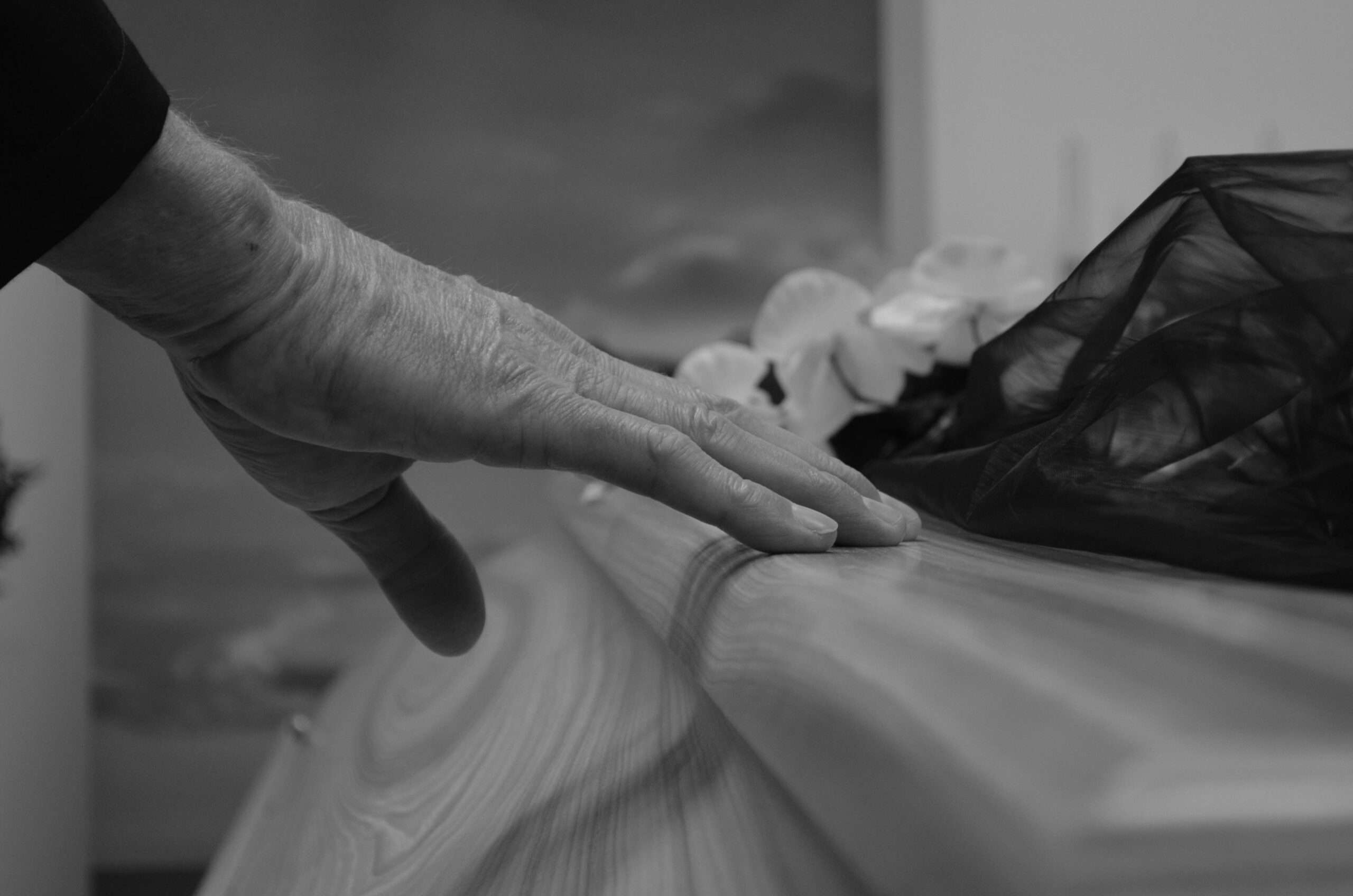
Families and next of kin — Most commonly an adult child or sibling who has been contacted after a family member was discovered deceased. We work with families throughout this process with full discretion and compassion, coordinating around their availability and emotional capacity.
Property managers and landlords — Texas Property Code Section 92.056 obligates landlords to maintain habitable conditions. When a tenant passes away and the property is in a biohazard state, the landlord must remediate before re-renting. Sterile Pros provides rapid response and complete documentation for Dallas County landlords and property management companies.
Estate attorneys and probate administrators — Probate proceedings in Dallas County Probate Court frequently involve properties that require biohazard remediation before they can be appraised, sold, or distributed. We work directly with estate counsel and administrators to document the property condition and complete remediation on a timeline compatible with probate proceedings.
Real estate agents and investors — Properties transferred through probate or following an unattended death require remediation and documentation before listing. Sterile Pros provides clean, professionally documented remediation that satisfies Texas disclosure requirements and allows properties to move forward.
Apartment complex and HOA management — Unattended deaths in multi-unit buildings require rapid response to prevent odor migration into neighboring units and to limit HOA or management liability. We respond quickly, work within building-access constraints, and coordinate with building management throughout the process.
Dallas Neighborhoods We Serve for Unattended Death Cleanup
Sterile Pros responds to unattended death cleanup calls across the Dallas-Fort Worth metro and surrounding Texas communities, including:
South Dallas, Oak Cliff, and Duncanville
Downtown Dallas, Uptown, Midtown, and the Deep Ellum corridor
East Dallas, Garland, Mesquite, and Balch Springs
Plano, Richardson, Allen, and McKinney
Irving, Grand Prairie, and Arlington
Fort Worth, Haltom City, and North Richland Hills
Frisco, Prosper, Celina, and the northern suburbs
Denton and surrounding Denton County
Rockwall, Forney, and the eastern suburbs
Weatherford, Mansfield, and the western corridor
Waxahachie, Ennis, and Ellis County
If your address is not listed, call us directly — we cover the entire Dallas-Fort Worth metroplex and provide extended response throughout North Texas for qualifying situations.

Frequently Asked Questions — Unattended Death Cleanup in Dallas
Who is responsible for cleaning up after an unattended death in Dallas?
Once the Dallas County Medical Examiner releases the scene, cleanup responsibility falls entirely to the property owner or next of kin — not Dallas PD, the medical examiner’s office, or any public agency. Sterile Pros can respond as soon as the scene is released.
How quickly should an unattended death scene be cleaned up in Dallas?
As quickly as possible. Dallas’s summer temperatures — regularly exceeding 95°F with high humidity throughout the metroplex — dramatically accelerate decomposition and the penetration of biological material into structural components. Every additional day increases the scope and cost of remediation. Call immediately after the scene is released.
How long does the odor last after an unattended death?
Without professional molecular-level odor neutralization, decomposition odor can persist indefinitely in porous building materials — particularly wood subfloor and plaster, which are prevalent in Dallas’s older pier-and-beam housing stock. Surface cleaning and air fresheners do not eliminate decomposition odor at its source. Our process does.
Will my Texas homeowner insurance cover this?
In most cases, yes. Texas homeowner policies typically include some coverage for biohazard cleanup as part of a covered loss. Sterile Pros documents the scene thoroughly and works directly with your insurance adjuster to submit the claim and minimize your out-of-pocket cost.
Can Sterile Pros work with probate or estate attorneys in Dallas?
Yes. We regularly coordinate with probate counsel and estate administrators working in Dallas County Probate Court. We provide detailed documentation — including pre- and post-remediation photographs, chain-of-custody waste manifests, and a completion certificate — that meets the documentation standards required for probate and real estate disclosure purposes.
Call a Certified Dallas Unattended Death Cleanup Team Now
If you need immediate unattended death or decomposition cleanup in Dallas, call 844-BIO-CREW — our 24/7 dispatch team will connect you with a certified technician within minutes. We respond across all of Dallas-Fort Worth and treat every call with the urgency and compassion it deserves.