What Happens to Belongings After Biohazard Cleanup?

When a death, trauma, or other biohazard event happens at home, the first question is usually about safety. The second one comes quietly a day or two later: what about our things? The couch, the clothes in the closet, the photo albums on the shelf. Families worry they will lose everything, and some worry they will be asked to throw away something they cannot replace.

We want you to know exactly how this works. Some belongings can be saved and some cannot, and there are clear reasons behind each decision. You also have a say in the process.

How We Assess Belongings Before Anything Is Touched

Every job begins with a walkthrough. Before we move or remove a single item, a technician maps where contamination reached and what it touched. Blood, bodily fluids, and decomposition do not always stay where they start. They can wick into fabric, seep under furniture, and travel on shoes, pets, or even air movement.

During the assessment we look at three things for each item:

  • How close it was to the source of contamination
  • What it is made of
  • Whether it was exposed directly, indirectly, or not at all

That last point matters more than people expect. A dresser on the far wall of a large room may be perfectly fine, while a nightstand that looks untouched can be compromised if fluids pooled beneath it. We document what we find with notes and photos so the decisions are based on evidence and not guesswork.

What Can Be Saved and What Cannot

The biggest factor is porosity. Materials that do not absorb liquid can usually be cleaned and disinfected. Materials that soak things up usually cannot.

Items That Are Often Salvageable

  • Metal, glass, ceramic, and sealed plastic items
  • Hard-sided luggage, tools, and appliances that were not saturated
  • Sealed or finished wood furniture with intact surfaces
  • Items that were stored in closed cabinets, drawers, or containers away from the scene
  • Jewelry, coins, and most other small valuables made of non-porous materials

Items That Are Often Not Salvageable

  • Mattresses, box springs, and upholstered furniture that absorbed fluids
  • Carpet, padding, and area rugs
  • Clothing, bedding, and towels that were directly exposed
  • Paper, books, and cardboard that were soaked
  • Unsealed or raw wood that drew in liquid

This is the part families find hardest to hear. A mattress or a favorite chair can look fine on the surface while holding contamination deep inside. Disinfectant cannot reach that far, and an odor can come back weeks later. We would rather be honest with you now than hand back something that causes a problem down the road.

All contaminated materials are sealed in marked biohazard containers and taken to an approved disposal site, following local, state, and federal rules. Anything we clean is treated with EPA-registered disinfectants and checked before it goes back to you.
Biohazard technician cleaning up a messy living room

Involving the Family in Decisions About Valuables and Keepsakes

Our team handles the technical side, but the emotional side belongs to you. We do not decide what matters. You do.

Before removal begins, we ask what is irreplaceable. That might be wedding photos, a parent’s letters, a child’s drawings, a military medal, or a watch that has been in the family for three generations. When it is not safe or practical for you to be on site, we talk it through by phone, and we can send photos so you can see exactly where an item stands.

Here is how we usually handle those conversations:

  • We ask for a list of priority items, even if it is just a few things.
  • We flag any priority item that was exposed, and explain what is and is not possible.
  • Where an item cannot be saved, we photograph it first so you have a record.
  • We check with you before discarding anything that looks like it could be valuable, including cash, documents, and small valuables.

We once worked a home where a family had lost their father, and the only thing his daughter asked about was a wooden jewelry box on his dresser. It had been close to the scene. Our technician examined it, found the finish was sealed, and was able to clean and disinfect it thoroughly. The sentimental contents were stored in a closed drawer and were never affected. That kind of outcome is not guaranteed, but it is why we ask before we throw anything away.

On another job, a family hoped to keep a quilt that had been handmade by a grandmother. It had absorbed fluids and could not be made safe. We explained why, photographed it in detail, and the family chose to keep a clean corner of the fabric that had not been exposed. It was a small thing, but it meant a lot to them.

Why We Move Carefully With Your Property

Cleanup is not a rush job, and neither is sorting through someone’s belongings. Our technicians are OSHA bloodborne pathogen certified, and our firm is IICRC certified and registered with the California Department of Public Health’s Trauma Scene Practitioners List. Those standards cover health and safety, but they also shape how we handle property. We treat every item as though it matters to someone, because it does.

We also take care with items that may be needed for other purposes. If law enforcement, an estate attorney, or an insurance adjuster needs to review certain belongings, we coordinate with them. We keep detailed records so your insurance claim reflects what was lost, and we bill your carrier directly and help with the paperwork. Many clients tell us that part of the process took a real weight off.

What to Expect When the Work Is Done

When cleanup is complete, you will receive written documentation that includes what was removed, what was cleaned, and what was returned. That record helps with insurance and gives you a clear picture of what happened to each item.

If you are facing this right now, you do not need to sort through anything on your own. Keep a short list of the things you care about most, and tell us when we arrive. Call our 24/7 hotline at (844) BIO-CREW and a live local technician will answer your questions and help you plan what comes next.

Contact our team for a free consultation today.

Our Services

Experienced Crime Scene, Trauma, Blood and Biohazard Cleanup
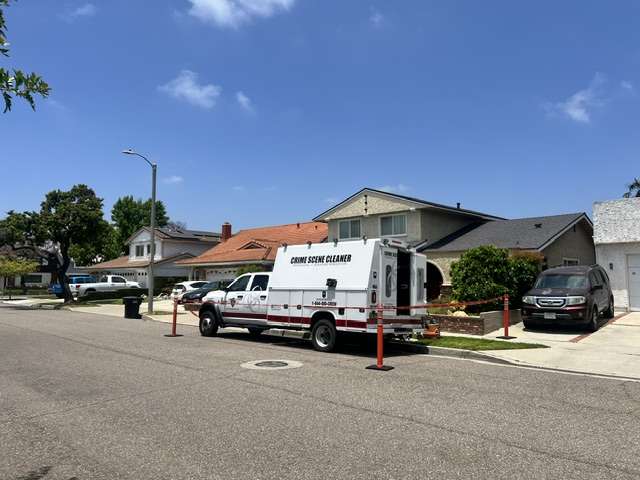
Yellow crime scene tape marking off restricted cleanup area

Crime Scene Cleanup

Crime scene clean up demands certified professionals who follow strict OSHA regulations, state licensing requirements, and biohazard disposal laws that untrained individuals cannot legally meet.

Death Scene Cleanup Service in Los Angeles

Death Cleanup

Sterile Pros specializes in unattended death cleanup throughout California. Our certified technicians respond 24 hours a day, 7 days a week. We handle everything, from biohazard removal and odor remediation to full property restoration, so you can focus on what actually matters right now.

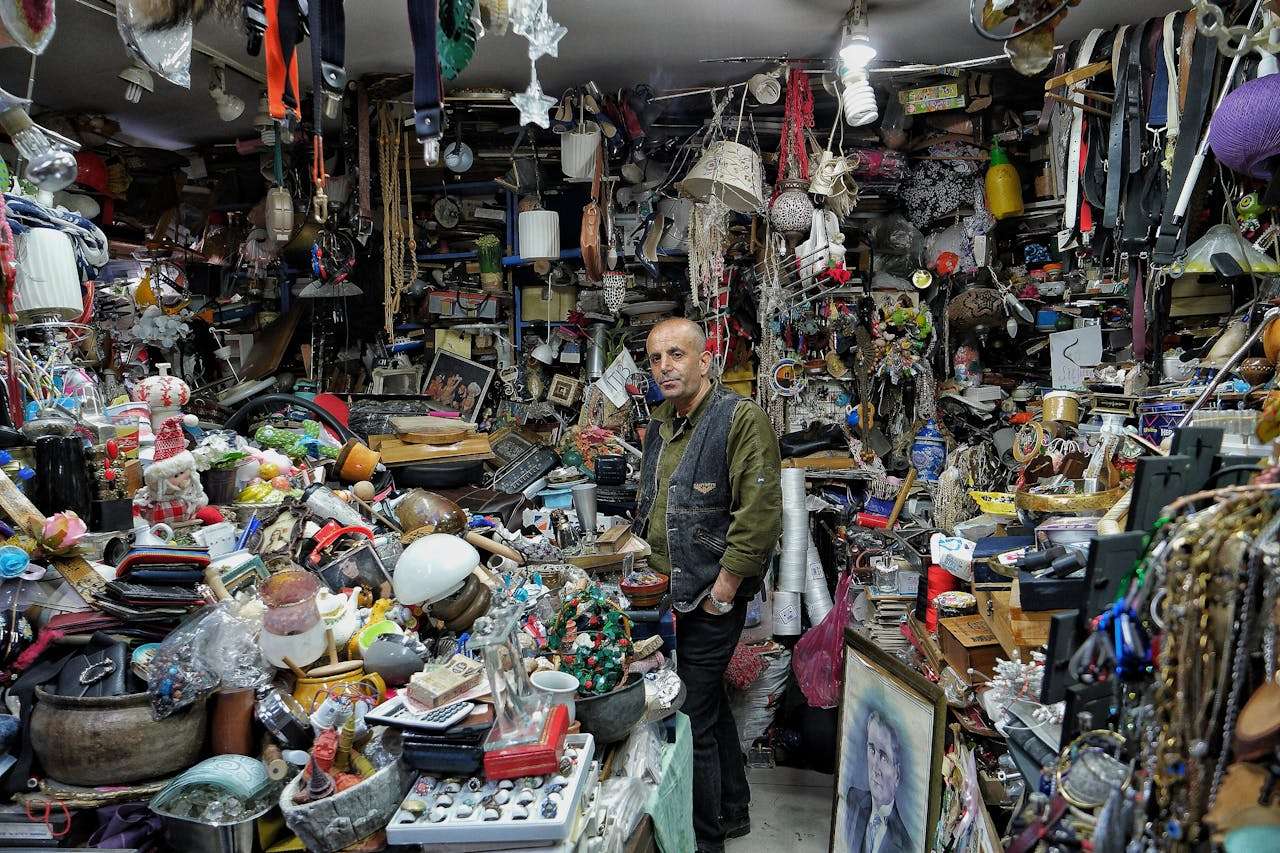
Hoarder inside house in Los Angeles

Hoarding Cleanup

Professional hoarding cleaning services, such as those offered by Sterile Pros, provide a holistic solution to restore hoarded properties to safe, functional, and livable conditions. Here’s why enlisting experts is critical for effective and compassionate hoarder cleanup.

Orange caution tape warns of a biohazard clean up site

Biohazard Cleanup

Our techs dispose of all biohazardous materials in marked containers and take them to an approved biohazard disposal site, following local, state and federal laws.

Sterile Pros Service Areas

Scroll to Top
Call Us 24/7 (844) BIO-CREW